The Legend of Mala Tokmachka Story and Setting Guide
Why a tiny frontier outpost became a legend — and how tone shapes your siege.
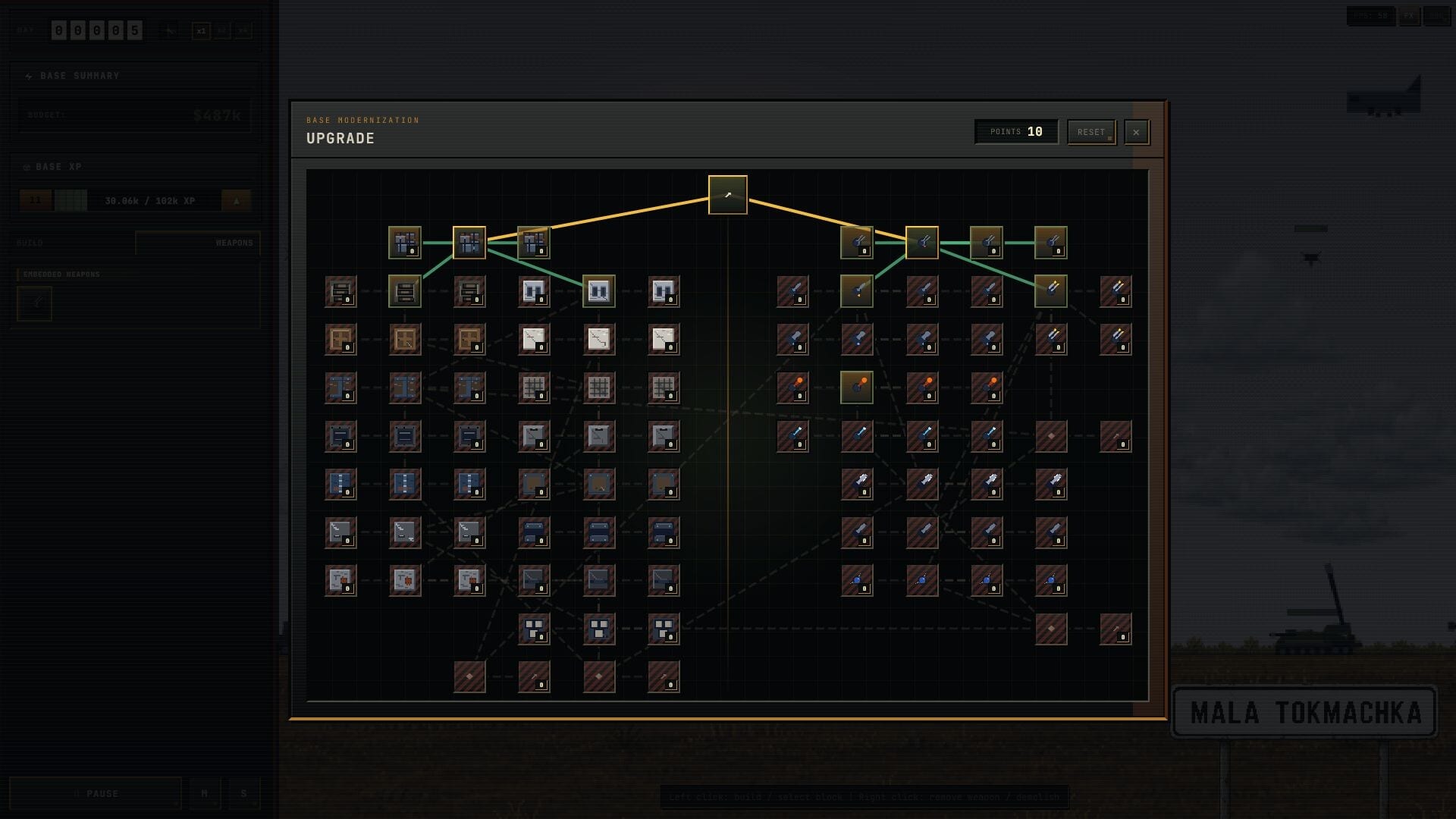
The Legend of Mala Tokmachka is not a fantasy epic with named kingdoms and prophecy scrolls. It is a 2D siege survival fable about a nameless frontier village where an assault has lasted so long that calendars lost meaning. Developer The Current Thing frames the experience as grim, industrial, and absurd — endurance turned into mythology through propaganda, rumor, and dark humor.
This guide explains the setting so new players understand why the game feels different from cartoon tower defense, how real-world Ukraine context informs the title without turning the wiki into a news article, and where story stops so mechanics can take over.
The nameless village on the map
Steam’s store description places you in a nameless frontier village — deliberately not labeled on the in-game map as a modern geopolitical briefing. What began as a small defensive post became a legend: a fortress that keeps standing day after day against impossible odds. The siege is endless in narrative terms; gameplay expresses that through escalating waves rather than a scripted victory parade.
The world is described as gloomy, industrial, and absurd. Visual language in official screenshots shows blocky fortresses, smoke, and layered weapons — less polished sci-fi, more improvised stronghold. That tone matters when you build: the game celebrates ridiculous structures that somehow keep standing, not symmetrical theme-park bases.
What the game says — and deliberately avoids
The Current Thing states the project does not tell you who is right or who is wrong. Mechanically you defend; morally the fiction stays ambiguous. Press coverage and Ukrainian gaming media often connect the title to the real village of Mala Tokmachka in Zaporizhzhia Oblast — a place that became widely discussed during the full-scale invasion. The game uses that resonance through name and atmosphere, not through documentary narration.
As a fan wiki we document both layers:
| Layer | What it means for players |
|---|---|
| Fiction | Endless siege, mythic fortress, black humor |
| Title echo | Cultural recognition for Ukrainian and international audiences |
| Gameplay | Block-by-block construction under combined arms pressure |
If you want release facts without lore, read Release Date. If you want build advice, start Getting Started and Fortress Building.
Mythology of endurance
Official copy describes the strange mythology of endurance — how a small defensive point becomes larger than life. In practice that shows up as:
- Vertical growth — the fortress literally towers upward as you survive.
- Rumors and propaganda — implied in flavor text rather than cutscene lore trees.
- Failed assaults as history — waves feel like repeated attempts to finish a job the world forgot.
Unlike story-driven RTS campaigns, you will not unlock chapters titled “Act II.” The narrative lives in atmosphere, achievement text, and the contrast between your fragile blocks and the endless enemy schedule.
Dark humor and tone
Several Ukrainian outlets (dev.ua, Focus, Channel Tech) note black humor alongside the grim setting. Expect juxtaposition: a deadly artillery pattern treated with the same mechanical straight face as a absurdly tall gun stack. Guides on this wiki stay practical, but understanding tone helps you accept improvised layouts as feature, not bug.
Players coming from cozy builders may find the palette harsh. Players from hardcore roguelites will recognize the joke: you are the stubborn garrison that refuses to be deleted from the map.
How setting connects to mechanics
Story is not separate from systems. The fiction justifies combined arms pressure:
- Ground assault groups — pressure from below, forcing wall investment.
- Aircraft and drones — sky lane that turns fortress height into a liability without Anti-Air Defense.
- Artillery and missiles — long-range damage that makes Repair and Resources decisions emotional.
- Radar and power — industrial support fantasy; see Radar and Power Systems.
The setting also explains single-player only design: you are the garrison minders, not a squad lobby.
Languages and audience
Steam lists English, Ukrainian, and Russian interface support. This wiki publishes English and Ukrainian only. Ukrainian players often discover the game through local tech press; international players may know only the Steam capsule art. Both audiences share the same mechanical guides — locale choice is presentation, not power creep.
Inspirations players compare
Pre-launch discussions compare Mala Tokmachka to:
- Classic 2D tower defense — but with freeform vertical construction.
- Survival management — economy between waves matters.
- Ukraine-made indie war allegory — tone closer to satirical endurance than heroic shooter.
We avoid claiming “clone of X” until post-launch reviews settle. Use Review & Preview for expectation setting.
What to read next
| Interest | Page |
|---|---|
| First session | Getting Started |
| Layout | Fortress Building |
| Developer facts | The Current Thing |
| Launch timing | Countdown to Launch |
| Enemy types | Enemies and Threats |
Preview note
Lore details may expand after release via Steam news or achievement strings. We update this page when official text adds concrete characters or factions — we do not invent quest givers or named commanders pre-launch.
Frequently Asked Questions
Quick answers to the most common questions.
Is the game a direct recreation of real battles?
No. It is a fictional siege framed by title and atmosphere. Steam copy stays nameless and ambiguous about sides.
Does the story have endings?
Pre-launch materials emphasize endless survival waves, not a single campaign finale. Post-launch patches may add modes.
Why is humor mentioned in a war-themed game?
Developers and press describe absurd, dark humor as part of the tone — similar to satirical endurance fiction.
Where is the official trailer?
Steam hosts one gameplay trailer; we embed it mid-page above. It shows construction and combined arms attacks.
Should I read lore before building?
Optional. Getting Started and Fortress Building matter more for day-one survival.